
How to Stop Pigeons Nesting on Your Roof in Wokingham
Pigeons are one of the most persistent urban birds in the UK, and roof nesting is a common issue in towns such as Wokingham. While they may appear harmless at first, pigeons can quickly become a long-term nuisance once they establish a nesting site on a property.
Roof areas provide warmth, shelter, and safety from predators, making them ideal nesting locations. Unfortunately, once pigeons begin nesting, they tend to return repeatedly and expand their presence, leading to ongoing mess, noise, and potential structural issues.
This guide explains why pigeons choose roofs, the risks associated with nesting, and most importantly, how to prevent and stop them effectively.
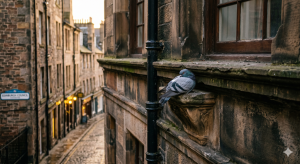
Why Pigeons Choose Roofs in Wokingham
Pigeons are highly adaptable birds that thrive in urban and semi-urban environments. Wokingham, with its mix of residential housing, commercial buildings, and green spaces, provides an ideal habitat.
Roofs are attractive because they offer:
- Elevated, predator-safe nesting locations
- Shelter from wind and rain
- Warm, dry surfaces under tiles and gutters
- Easy access to nearby food sources
Flat roofs, solar panel installations, and older properties with gaps in roof structures are especially vulnerable.
Once pigeons identify a suitable location, they often return to it repeatedly, reinforcing nesting behaviour year after year.
Common Roof Areas Where Pigeons Nest
Pigeons typically choose areas that are sheltered and difficult to disturb. Common nesting sites include:
- Roof tiles and ridge gaps
- Gutters and downpipes
- Chimney stacks and flues
- Solar panel edges and mounting frames
- Loft eaves and soffit gaps
- Flat roof corners and ledges
Even small openings or sheltered ledges can be enough for pigeons to build a nest.
Early Signs of Pigeon Nesting Activity
Detecting pigeon activity early can prevent long-term infestation issues.
Key warning signs include:
1. Frequent Perching in One Area
If pigeons consistently land on the same roof section, they are likely assessing it for nesting suitability.
2. Nesting Materials Appearing on Rooflines
Twigs, straw, feathers, and debris accumulating near gutters or roof edges often indicate nest building activity.
3. Droppings Accumulating in One Spot
A concentrated build-up of droppings on a specific roof area or balcony suggests regular bird activity.
4. Constant Cooing or Noise
Persistent cooing sounds, especially early in the morning, often indicate nesting pairs defending a chosen location.
5. Blocked Gutters or Drainage Issues
Nest materials can quickly block gutters, causing water overflow and damp-related damage.
Why Pigeon Nesting Becomes a Serious Problem
While a small number of pigeons may seem harmless, nesting activity can escalate into a significant issue over time.
1. Rapid Population Growth
Pigeons breed throughout much of the year in urban environments, meaning small nesting sites can quickly become larger colonies.
2. Structural Damage to Roofs
Accumulated droppings are highly acidic and can damage:
- Roof tiles
- Metal fixtures
- Gutters and downpipes
- Paintwork and fascias
Over time, this leads to costly repairs if left untreated.
3. Blocked Drainage Systems
Nesting materials often clog gutters, leading to:
- Water overflow
- Damp penetration
- Roof leaks
This is one of the most common secondary problems caused by pigeon nesting.
4. Health and Hygiene Risks
Pigeon droppings can carry bacteria and fungal spores, which may pose health risks in enclosed or poorly ventilated areas.
5. Noise and Disturbance
Persistent cooing, flapping, and movement on roofs can become disruptive, particularly in quiet residential areas.
Why Pigeons Keep Returning to the Same Roof
Pigeons are highly site-loyal birds. Once they establish a nesting location, they tend to return due to:
- Familiarity and perceived safety
- Existing nesting materials
- Nearby food availability
- Lack of deterrents or barriers
Even after nests are removed, pigeons may attempt to rebuild in the same location unless preventative measures are installed.
How to Stop Pigeons Nesting on Your Roof
Effective pigeon control requires prevention rather than reactive removal. Once nesting behaviour begins, it becomes increasingly difficult to stop without intervention.
1. Install Physical Bird Deterrents
Physical barriers are one of the most effective long-term solutions.
Common options include:
- Bird spikes on ledges and roof edges
- Bird netting for larger roof areas
- Wire systems on flat surfaces
- Sloped deterrent strips to prevent landing
These systems make it physically difficult for pigeons to settle or build nests.
2. Block Entry Points in Roof Structures
Sealing access points is essential to prevent nesting inside roof voids.
Key areas to check include:
- Gaps under roof tiles
- Open eaves and soffits
- Chimney openings
- Loose flashing or ridge tiles
Even small gaps can allow pigeons to access sheltered nesting spaces.
3. Remove Existing Nesting Material Safely
Existing nests should be removed carefully to discourage return behaviour. However, timing and legality must be considered, as active nests may be protected under wildlife regulations depending on species and breeding stage.
4. Maintain Clean Roof and Gutter Systems
Regular maintenance helps reduce attraction factors:
- Clear gutters of debris
- Remove accumulated droppings safely
- Keep roof surfaces free from nesting material build-up
Clean environments are less attractive to nesting birds.
5. Reduce Food Availability Around Property
Pigeons are strongly attracted to food sources. Reducing availability helps discourage congregation:
- Secure bin lids tightly
- Avoid feeding birds in gardens
- Clean up food waste promptly
- Prevent spillages near outdoor seating areas
Professional Pigeon Control Solutions
For persistent nesting issues, professional bird control methods are often the most effective solution.
These may include:
- Custom-installed bird netting systems
- Roof spike installations tailored to building design
- Solar panel proofing systems
- Chimney and loft exclusion work
- Safe nest removal and sanitation
Professional installation ensures deterrents are correctly fitted and long-lasting.
Why Wokingham Properties Are Particularly Affected
Wokingham’s housing mix contributes to pigeon nesting issues due to:
- Older roof structures with accessible gaps
- Modern developments with flat roofs and ledges
- Nearby food outlets and retail areas
- Tree-lined streets providing additional roosting spaces
The combination of suburban greenery and built-up structures creates an ideal environment for pigeons to thrive.
Prevention Tips for Long-Term Control
Effective long-term prevention requires consistent maintenance and monitoring:
- Inspect rooflines regularly for early signs of nesting
- Install deterrents before nesting begins (early spring is ideal)
- Seal structural gaps during roof maintenance work
- Maintain clean gutters and drainage systems
- Act quickly when pigeons begin repeated perching
Early intervention is significantly more effective than removal after nesting begins.
Practical Pest Prevention Tips for Homes and Businesses in Wokingham
- Are Bed Bugs Becoming More Common in the UK? What the Data Shows
- How to Stop Pigeons Nesting on Your Roof in Wokingham
- How Pigeons Damage Roofs, Solar Panels, and Gutters in UK
- Why Semi-Detached and Terraced Homes in Wokingham Are More at Risk of Pests
- Wasp Nest Removal in the UK: When It Becomes a Serious Problem
- How Pest Control Failures Can Affect Your Food Hygiene Rating
- Why Rodent Problems Are Worse in Urban Areas Like London and Wokingham
- Signs of a Rodent Infestation You Should Never Ignore