
How Pest Control Failures Can Affect Your Food Hygiene Rating
Food hygiene ratings are one of the most influential factors affecting customer trust and business reputation in the UK food industry. Whether you operate a restaurant, café, takeaway, food warehouse, or catering facility, your rating directly reflects how safely food is handled and how well risks are managed.
Among all inspection criteria, pest control plays a particularly critical role. Even though it is not always displayed as a separate scoring category, failures in pest prevention and control heavily influence the final rating outcome. In some cases, they can be the deciding factor between a top rating and a poor compliance result.
This guide provides a detailed breakdown of how pest control failures impact food hygiene ratings, what inspectors look for, why even minor issues matter, and how businesses can maintain strong compliance standards.
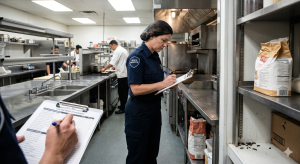
Understanding Food Hygiene Ratings in the UK
Food hygiene ratings are issued under the Food Hygiene Rating Scheme, which is enforced by local authorities in England, Wales, and Northern Ireland. Businesses are assessed across three key areas:
- Hygienic food handling
- Cleanliness and condition of facilities and building
- Confidence in management of food safety systems
Each category contributes to the overall score, which determines the rating displayed publicly.
Pest control is most strongly linked to the “confidence in management” category. This means inspectors are not only assessing whether pests are present, but also whether the business has effective systems in place to prevent and control them.
A lack of control systems can significantly reduce confidence, even if no active infestation is observed during inspection.
Why Pest Control Is So Important in Food Environments
Food businesses provide ideal conditions for pests due to the constant availability of food, warmth, and shelter. Common pests include rodents, cockroaches, flies, and stored product insects.
These pests can:
- Contaminate food surfaces and ingredients
- Spread bacteria such as Salmonella and E. coli
- Damage packaging and stored stock
- Multiply rapidly in warm indoor environments
- Move between hidden structural voids and food areas
Because of these risks, pest control is treated as a fundamental part of food safety compliance rather than an optional maintenance activity.
Even a small lapse in control can quickly escalate into a serious hygiene issue.
How Inspectors Identify Pest Control Failures
Food hygiene inspectors are trained to detect both visible and hidden signs of pest activity. Importantly, they do not rely solely on seeing live pests.
Instead, they assess environmental evidence such as:
- Droppings in storage or preparation areas
- Grease marks along walls, pipes, or skirting boards
- Gnaw damage on food packaging or building materials
- Evidence of nesting materials in hidden areas
- Inadequate sealing of entry points
- Lack of pest monitoring devices or traps
Inspectors also evaluate whether pest control measures are proactive or reactive. A business that only responds after an infestation appears is viewed less favourably than one with continuous monitoring systems in place.
Direct Impact of Pest Control Failures on Hygiene Ratings
Pest control failures rarely affect just one part of an inspection. Instead, they influence multiple scoring areas indirectly.
1. Reduced Confidence in Management Systems
If pest control is poorly managed, inspectors may conclude that wider food safety systems are also weak. This significantly reduces the “confidence in management” score.
2. Increased Perceived Risk Level
Even minor pest evidence can raise concerns about contamination risk, leading inspectors to take a stricter view of overall hygiene practices.
3. Lower Overall Hygiene Rating
Because pest control affects multiple categories indirectly, it can contribute to a lower overall rating even if other areas appear compliant.
4. Formal Improvement Requirements
In more serious cases, businesses may receive enforcement notices requiring immediate corrective action before reinspection is considered.
Common Pest Control Failures Found in Food Businesses
Certain recurring issues are frequently linked to poor inspection outcomes.
Poor Waste Management Practices
Improper waste handling is one of the biggest attractants for pests. Common problems include:
- Overflowing external bins
- Open or poorly sealed waste containers
- Food waste stored near entrances or loading areas
- Irregular waste collection schedules
Waste areas are often the first point where pests establish activity.
Structural Entry Points Left Unsealed
Rodents in particular require only small gaps to enter a building. Common entry points include:
- Gaps around pipework
- Damaged air bricks or vents
- Poorly sealed door frames
- Cracks in walls or flooring
Once inside, pests can access multiple internal areas through voids and service routes.
Lack of Routine Monitoring
Many businesses fail to implement consistent pest monitoring systems. Without regular checks, early warning signs are often missed.
Effective monitoring typically includes:
- Routine pest inspection visits
- Monitoring traps in key locations
- Documentation of pest activity trends
- Regular review of risk areas
Ignoring Early Warning Signs
Small indicators such as droppings or packaging damage are often overlooked. This allows infestations to develop unnoticed.
Early signs typically include:
- Minor gnaw marks on packaging
- Occasional droppings in storage areas
- Unexplained odours in enclosed spaces
- Increased fly activity near waste zones
Why Rodent Activity Has the Greatest Impact on Ratings
While all pests are taken seriously, rodents are particularly damaging from a compliance perspective.
This is because they:
- Travel through contaminated environments such as sewers
- Leave widespread contamination trails
- Can enter through extremely small structural gaps
- Reproduce rapidly, increasing infestation size quickly
Even a single rodent sighting during inspection can significantly affect confidence in hygiene management.
The Importance of Pest Control Documentation
Inspectors place strong emphasis on documentation. Even if no pests are visible, a lack of records can negatively impact the rating.
Required documentation may include:
- Pest control service reports
- Inspection logs and findings
- Proof of corrective actions
- Trap placement maps
- Evidence of ongoing monitoring
Without documentation, inspectors may assume pest control is not actively managed, even if systems are in place informally.
How Pest Problems Escalate in Food Businesses
Pest issues rarely remain minor if left unaddressed. They typically follow a predictable escalation pattern:
- Entry through structural gaps or deliveries
- Exploration of food sources
- Establishment of nesting or hiding areas
- Rapid population growth
- Widespread contamination across multiple zones
- Full infestation affecting operational areas
At later stages, remediation becomes significantly more expensive and disruptive, and hygiene ratings are far more likely to be affected.
Commercial Consequences Beyond Hygiene Ratings
A poor hygiene rating does not just affect compliance. It also has direct commercial consequences.
These include:
- Reduced customer confidence and footfall
- Negative online reviews and reputational damage
- Loss of contracts with suppliers or partners
- Difficulty passing future inspections
- Potential closure orders in severe cases
In the food industry, perception of hygiene is closely tied to business success.
How to Protect Your Food Hygiene Rating
Maintaining a strong hygiene rating requires consistent, proactive pest management.
- Implementing scheduled professional pest control inspections
- Sealing all potential structural entry points
- Maintaining strict waste management procedures
- Keeping all food storage areas clean and organised
- Actively monitoring for early pest activity signs
- Maintaining complete and accurate pest control records
Consistency is essential. Inspectors look for ongoing control systems rather than short-term fixes.
The Role of Professional Pest Control Services
Professional pest control providers play a crucial role in compliance management.
They typically offer:
- Regular inspections and risk assessments
- Early detection of pest activity
- Safe and compliant treatment methods
- Detailed reporting for inspection purposes
- Advice on structural proofing and prevention
A documented pest control programme demonstrates strong management control, which significantly improves inspection confidence.
Summary
Pest control failures can have a direct and significant impact on food hygiene ratings, influencing both inspection outcomes and long-term business performance. Inspectors assess not just whether pests are present, but whether robust systems exist to prevent and control them effectively.
Businesses that implement consistent monitoring, maintain strong waste management practices, and keep accurate documentation are far better positioned to achieve high hygiene ratings and maintain customer trust. In the food industry, pest control is not just a maintenance task—it is a core compliance requirement that directly affects reputation and operational success.
Practical Pest Prevention Tips for Homes and Businesses in Wokingham
- Are Bed Bugs Becoming More Common in the UK? What the Data Shows
- How to Stop Pigeons Nesting on Your Roof in Wokingham
- How Pigeons Damage Roofs, Solar Panels, and Gutters in UK
- Why Semi-Detached and Terraced Homes in Wokingham Are More at Risk of Pests
- Wasp Nest Removal in the UK: When It Becomes a Serious Problem
- How Pest Control Failures Can Affect Your Food Hygiene Rating
- Why Rodent Problems Are Worse in Urban Areas Like London and Wokingham
- Signs of a Rodent Infestation You Should Never Ignore