
Signs of a Rodent Infestation You Should Never Ignore
Rodent infestations are one of the most commonly underestimated household pest problems. Whether it is mice in the kitchen or rats in the loft, these pests are highly adaptable, fast breeding, and extremely discreet in the early stages of infestation.
By the time most homeowners realise there is a problem, rodents have already established nesting sites, food routes, and contamination zones throughout the property. This is why recognising early warning signs is essential.
This guide explores the most reliable signs of rodent activity, what they indicate, and how to respond effectively before the infestation escalates.
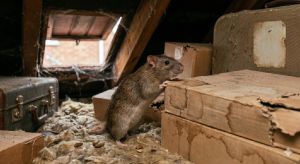
Why Rodent Infestations Should Never Be Ignored
Rodents are not simply a nuisance; they can cause structural damage and create serious hygiene concerns.
- Contamination of food preparation areas and stored food
- Chewing through electrical wiring, increasing fire risk
- Damage to insulation, pipework, and timber structures
- Spread of harmful bacteria through droppings and urine
- Rapid population growth if left untreated
A single pair of mice can produce multiple litters per year, meaning a small issue can quickly become a widespread infestation.
1. Rodent Droppings in and Around the Home
Droppings are one of the earliest and most reliable indicators of rodent activity.
They are commonly found in:
- Kitchen cupboards and drawers
- Behind cookers, fridges, and washing machines
- Along skirting boards and wall edges
- Inside loft insulation or basement corners
Mouse droppings are typically small and rice-shaped, while rat droppings are larger and more capsule-like.
Fresh droppings are soft, dark, and moist. Older droppings dry out and become grey and crumbly. A mixture of fresh droppings in multiple locations usually indicates active movement rather than historic contamination.
2. Nocturnal Scratching and Movement Sounds
Rodents are primarily active at night, which is why many infestations go unnoticed during the early stages.
Common sounds include:
- Scratching inside walls or ceilings
- Light running or scurrying noises
- Gnawing sounds behind cupboards or floors
These noises are often most noticeable in quiet environments, particularly late at night or early morning.
If the sounds are consistent and appear to follow similar routes, it often indicates established travel pathways used by rodents.
3. Gnawing Damage Across the Property
Rodents have continuously growing teeth, meaning they must gnaw regularly to prevent overgrowth.
Typical signs of gnawing include:
- Chewed electrical cables and wiring
- Damaged wooden furniture or door frames
- Holes in plastic containers or packaging
- Scratches or bite marks on soft materials
This type of damage is not random. Rodents often follow repetitive routes, meaning gnaw marks tend to cluster in specific areas.
Electrical damage is particularly concerning as it can significantly increase fire risk if left unresolved.
4. Grease Smears and Travel Routes
As rodents repeatedly travel along walls and tight spaces, their fur leaves behind oily residue.
These grease marks are typically found:
- Along skirting boards
- Around pipework and cable runs
- Near entry points such as holes or gaps in walls
- In narrow or enclosed pathways
Smear marks often appear darker over time and indicate repeated use of the same routes. This is a strong sign that rodents are not just passing through but are actively nesting within the property.
5. Hidden Nesting Sites
Rodents build nests in warm, secluded areas where they are unlikely to be disturbed.
Common nesting materials include:
- Shredded paper or cardboard
- Fabric and soft furnishings
- Insulation materials from lofts or walls
- Plant matter or stored textiles
Typical nesting locations include:
- Loft spaces and attic insulation
- Behind kitchen appliances
- Inside wall cavities
- Beneath floorboards or decking areas
Finding nesting material in multiple locations often indicates a well-established infestation rather than a single entry event.
6. Unusual Behaviour from Pets
Pets often detect rodent activity earlier than humans due to their heightened senses.
Common behavioural changes include:
- Repeated staring at walls or fixed points
- Scratching or pawing at kitchen units or floors
- Barking or alert behaviour without visible cause
- Increased sniffing around hidden spaces
If a pet consistently focuses on a specific area of the home, it may indicate hidden rodent movement behind walls or under flooring.
7. Persistent Musty or Ammonia-Like Smell
A rodent infestation often produces a distinct odour caused by urine, droppings, and nesting materials.
This smell is typically described as:
- Musky and stale
- Strong ammonia-like scent
- More noticeable in enclosed or poorly ventilated spaces
The odour becomes stronger as the infestation grows, particularly in areas such as lofts, cupboards, and underfloor spaces where ventilation is limited.
8. Visible Tracks in Dusty or Undisturbed Areas
Rodents may leave visible evidence of movement in areas that are not regularly cleaned or disturbed.
Signs include:
- Tiny footprints in dust or insulation
- Tail drag marks across surfaces
- Smudged or worn pathways
These marks are especially common in lofts, garages, and storage areas where foot traffic is minimal.
9. Daytime Rodent Sightings
Seeing a rodent during the day is often a strong indication of a larger infestation.
Possible reasons include:
- Overcrowded nesting areas forcing movement
- Lack of available food sources
- Established population growth requiring extended foraging
Rodents are naturally cautious and avoid daylight exposure. Therefore, daytime sightings usually suggest that hiding spaces are under pressure.
10. Damage to Food Storage and Packaging
Rodents are opportunistic feeders and will exploit any accessible food source.
Common indicators include:
- Torn cereal boxes or packaging
- Chewed plastic or cardboard containers
- Contaminated dry food storage
- Missing or partially consumed food items
Even small signs of tampering should not be ignored, as rodents can contaminate far more food than they consume.
Health and Hygiene Risks
Rodents pose several indirect health risks, mainly through contamination rather than direct contact.
Key concerns include:
- Spread of bacteria through droppings and urine trails
- Contamination of food preparation surfaces
- Airborne particles from dried waste material
- Potential allergic reactions in sensitive individuals
Maintaining cleanliness alone is not enough once an infestation has established itself.
What You Should Do If You Notice These Signs
If any of the above indicators are present, immediate action is strongly recommended.
Steps include:
- Identifying and documenting signs of activity
- Removing accessible food sources and securing storage
- Sealing obvious entry points where safely possible
- Avoiding disturbance of suspected nests
- Seeking professional pest inspection if signs persist
Rodents breed quickly, meaning delays can significantly increase the scale of the problem.
Prevention Measures to Reduce Future Risk
Preventing rodent access is significantly more effective than dealing with established infestations.
- Sealing gaps around pipes, vents, and external walls
- Storing food in airtight, rodent-resistant containers
- Keeping kitchen and food preparation areas clean and dry
- Regularly inspecting lofts, basements, and garages
- Reducing clutter that may provide nesting opportunities
Consistency is key, as rodents are highly persistent once they identify a suitable environment.
Practical Pest Prevention Tips for Homes and Businesses in Wokingham
- Are Bed Bugs Becoming More Common in the UK? What the Data Shows
- How to Stop Pigeons Nesting on Your Roof in Wokingham
- How Pigeons Damage Roofs, Solar Panels, and Gutters in UK
- Why Semi-Detached and Terraced Homes in Wokingham Are More at Risk of Pests
- Wasp Nest Removal in the UK: When It Becomes a Serious Problem
- How Pest Control Failures Can Affect Your Food Hygiene Rating
- Why Rodent Problems Are Worse in Urban Areas Like London and Wokingham
- Signs of a Rodent Infestation You Should Never Ignore